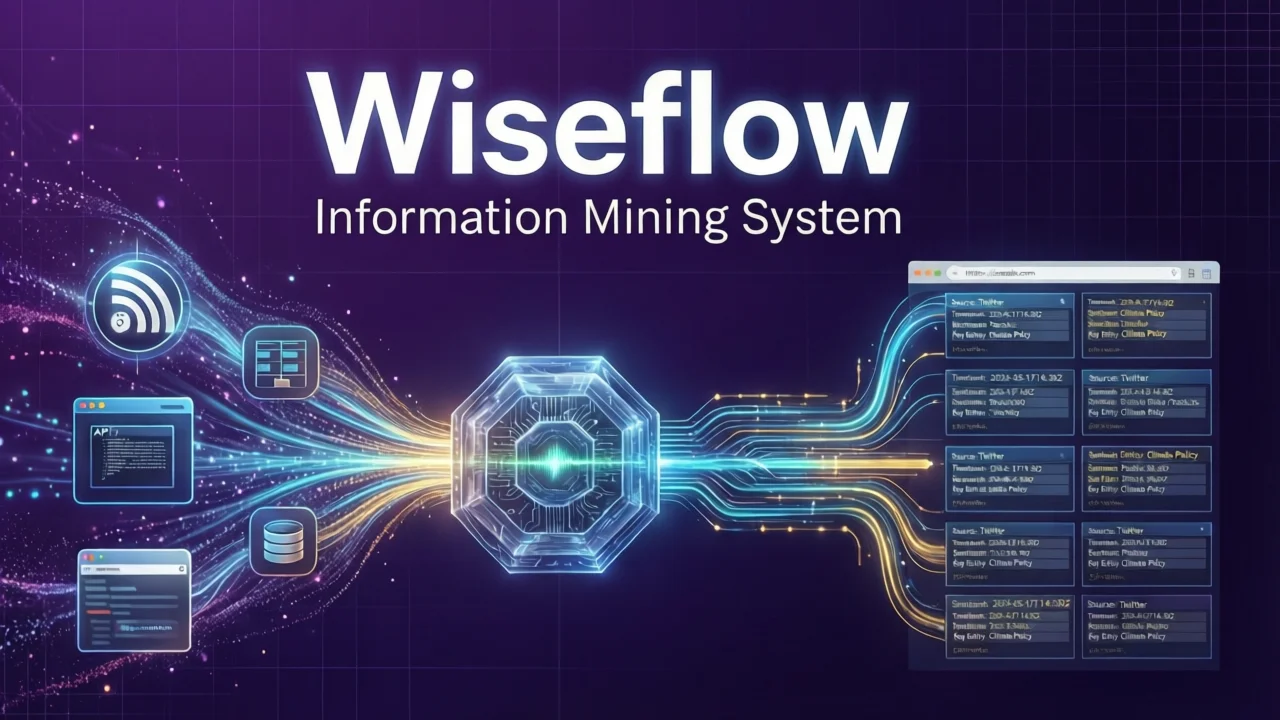
정보 과부하 시대의 돌파구
매일 2.5 quintillion 바이트의 데이터가 생성되지만, 실제로 가치 있는 정보는 1% 미만일 수 있습니다. 개발자, 창업자, 마케팅 담당자가 직면한 핵심 문제는 "정보를 찾을 수 없다"가 아니라 "방대한 노이즈에서 actionable intelligence를 추출할 수 없다"는 것입니다.
Wiseflow 프로젝트는 처음에 "AI 최고 정보 책임자"로 등장했습니다——웹사이트, WeChat 공식 계정, 소셜 플랫폼 등 정보원에서 설정된 관심사에 따라 정보를 추출하고, 자동으로 태그를 분류하여 데이터베이스에 업로드할 수 있는 민첩한 오픈소스 정보 마이닝 도구입니다. 이제 이 프로젝트는小贝(xiaobei)로 진화했습니다——OPC/중소기업을 위해 맞춤형으로 제작된 자체 미디어 고객 획득 인텔리전트 에이전트이며, 기반 아키텍처는 openclaw를 기반으로 하며 GitHub에서 8,400개 이상의 스타를 받았습니다.
이 글에서는 Wiseflow/小贝의 기술 아키텍처, 핵심 기능, 배포实战, 그리고 에이전트 프로젝트에 동적 지식 베이스로 통합하는 방법을 심층 분석합니다.
핵심 기능 전경
다중 정보원 Smart Search: 18개 정보원 제로 설정 커버리지
Wiseflow의 가장 핵심적인 기능 중 하나는 내장된 Smart Search 시스템으로, 다음 18개 정보원을 커버합니다:
| 정보원 카테고리 | 플랫폼 | 특징 |
|---|---|---|
| 소셜 미디어 | 小紅書, 抖音, 微博, 知乎, B站 | 국내 주요 소셜 플랫폼 완전 커버 |
| 국제 플랫폼 | Twitter/X, YouTube, LinkedIn, Reddit | 해외 정보원 원클릭 연결 |
| 콘텐츠 플랫폼 | WeChat 공식 계정, 비디오 계정 | WeChat 생태계 심층 통합 |
| 수직 분야 | 뉴스, 정부, 재무, 학술, 쇼핑 | 전문 분야 정밀 커버 |
| 개발자 | GitHub | 기술 동향 실시간 추적 |
핵심 장점: 어떤 API 키도 설정할 필요가 없으며, 완전히 무료로 사용할 수 있습니다. 이는 전통적인 정보 모니터링 도구가 각 플랫폼마다 API 액세스를 신청해야 하는 것과 대조적입니다.
관심사 기반 추출 엔진
단순한 크롤러나 RSS 집계기와 달리, Wiseflow는관심사 기반정보 추출 모드를 사용합니다:
- 관심사 설정: 관심 있는 주제, 키워드, 엔티티 정의
- 지능적 추출: LLM 엔진이 원시 콘텐츠에서 관심사와 관련된 정보 추출
- 자동 분류: 의미적 이해를 기반으로 자동 태그 분류
- 구조화된 저장: 추출 결과를 데이터베이스에 업로드하여 후속 쿼리 및 분석 지원
이 모드의 핵심 가치는 "관심 있는 것만 추출"하여 정보 노이즈를 대폭 줄이는 것입니다.
멀티 에이전트 협업 아키텍처
小贝는 멀티 에이전트 협업 아키텍처를 사용하며, 4개의 전문 Crew가 내장되어 있습니다:
crews/
├── main/              # 메인 에이전트: 뉴미디어 운영/창업 파트너
├── it-engineer/       # IT 엔지니어: 백엔드 운영+문제 해결
├── content-producer/  # 콘텐츠 제작자: 비디오/비주얼 제작
└── sales-cs/          # 판매 고객 서비스: 고객 응대(필요에 따라 활성화)
각 Crew는 독립적인 SOUL.md(인격 정의), IDENTITY.md(정체성 설정), MEMORY.md(기억 시스템) 및 스킬 세트를 가지며, openclaw 프레임워크를 통해 협업을 실현합니다.
풀체인 콘텐츠 제작
정보 수집부터 콘텐츠 공개까지, 小贝는 완전한 워크플로를 커버합니다:
- 정보 수집: Smart Search 18개 정보원
- 콘텐츠 제작: WeChat 공식 계정 기사, 小紅書 그래픽 텍스트, 숏비디오 스크립트
- 비주얼 디자인: 포스터 생성, 그래픽 레이아웃, 비디오 커버
- 비디오 제작: 숏비디오 생성, 토킹 헤드 비디오 편집, 하이라이트 클립 추출
- 멀티 플랫폼 배포: WeChat 비디오 계정, 抖音, 小紅書, B站, 快手, Twitter/X 등
- 데이터 리뷰: 게시 데이터 자동 수집, 콘텐츠 스코어링, 전략 최적화
기술 아키텍처 심층 분석
정보원 수집 레이어
Wiseflow의 수집 레이어는 포크된 camoufox-cli를 기반으로 구축된 안티 핑거프린트 브라우저 스택입니다:
수집 레이어 아키텍처
├── camoufox-cli (forked)    # 안티 핑거프린트 Firefox 브라우저 자동화
│   ├── 영구 세션       # 플랫폼당 정확히 하나의 세션
│   ├── cookie+UA 이중 내보내기 # 로그인 상태 완전 보존
│   └── headed/headless 모드 전환    # 로그인 시 headed, 자동화 시 headless
├── login-manager            # 중앙 로그인 상태 관리
│   └── ~/.openclaw/logins/  # 플랫폼 cookie 통합 저장
└── 플랫폼 전용 skill           # 각 플랫폼 수집 로직 캡슐화
설계 원칙: - 플랫폼당 하나의 영구 세션을 사용하여 다중 세션이 리스크 관리를 트리거하는 것을 방지 - cookie 가져오기를 통한 세션 생성 엄격 금지(디바이스 핑거프린트 불일치가 플랫폼 감지를 트리거) - 프로필 손실 시 재구성+재로그인, 오래된 cookie 가져오기 절대 금지
LLM 추출 엔진
정보 추출의 핵심은 LLM 엔진으로, 다양한 모델 연결을 지원합니다:
| 모델 | 용도 | 연결 방식 |
|---|---|---|
| DeepSeek-V4-Flash | 메인 모델 | 阿里雲百炼 Token Plan |
| GLM-5.2 | 대체 메인 모델 | 火山方舟 Coding Plan |
| Qwen3.6-Flash | 경량 작업 | 阿里雲百炼 |
| doubao-seedream-4.0 | 이미지 생성 | 火山方舟 |
권장 설정: 阿里雲百炼 Token Plan(Lite 버전 39元/월, Standard 버전 139元/월), 하나의 키로 메인 모델, 비주얼 모델, 대체 모델을 커버합니다.
태그 분류 시스템
추출된 정보는 의미적 이해를 통해 자동으로 분류됩니다:
- 엔티티 인식: 인명, 회사명, 제품명, 기술 용어 인식
- 주제 분류: 사전 정의된 태그 시스템을 기반으로 자동 분류
- 감정 분석: 정보의 감정적 경향 판단(긍정/부정/중립)
- 중요도 점수화: LLM이 관심사와의 관련성 평가
데이터베이스 저장
추출 결과는 다양한 저장 방식을 지원합니다:
- SQLite: 로컬 경량 저장, 단일 서버 배포에 적합
- PostgreSQL: 프로덕션 환경 권장, 동시 쿼리 지원
- 벡터 데이터베이스: 선택적 연결 가능, 의미적 검색 지원
데이터 구조 예시:
CREATE TABLE extracted_info (
    id INTEGER PRIMARY KEY,
    source_type VARCHAR(50),      -- 정보원 유형
    source_url TEXT,              -- 원본 링크
    title TEXT,                   -- 제목
    content TEXT,                 -- 추출된 콘텐츠
    focus_points JSON,            -- 매칭된 관심사
    tags JSON,                    -- 자동 태그
    sentiment VARCHAR(20),        -- 감정 경향
    relevance_score FLOAT,        -- 관련성 점수
    extracted_at TIMESTAMP,       -- 추출 시간
    metadata JSON                 -- 확장 메타데이터
);
로컬 배포 实战
하드웨어 요구사항
Wiseflow/小贝는 하드웨어 요구사항이 매우 낮으며, GPU 없이 완전한 로컬 배포가 가능합니다:
| 설정 | 최소 요구사항 | 권장 설정 |
|---|---|---|
| CPU | 2 코어 | 4 코어+ |
| 메모리 | 4GB | 8GB+ |
| 스토리지 | 10GB | 20GB+ |
| 시스템 | Ubuntu 22.04 / macOS / WSL2 | Ubuntu 22.04 LTS |
참고: Windows 10 1803+는 Git Bash 또는 WSL2를 설치해야 하며, 심볼릭 링크를 지원하기 위해 개발자 모드를 활성화하는 것이 좋습니다.
원클릭 설치(권장)
macOS / Linux(GitHub 회선):
bash -c "$(curl -fsSL https://raw.githubusercontent.com/TeamWiseFlow/wiseflow/master/scripts/install.sh)"
macOS / Linux(국내 atomgit 회선):
bash -c "$(curl -fsSL https://raw.atomgit.com/wiseflow/wiseflow/raw/master/scripts/install-atomgit.sh)"
Windows PowerShell(관리자 권한으로 실행):
# GitHub 회선
irm https://raw.githubusercontent.com/TeamWiseFlow/wiseflow/master/scripts/install.ps1 | iex

# 국내 atomgit 회선
irm https://raw.atomgit.com/wiseflow/wiseflow/raw/master/scripts/install-atomgit.ps1 | iex
설치 스크립트는 자동으로 다음을 수행합니다:
1. 사전 구축된 tarball(~140MB) + Firefox 안티 핑거프린트 브라우저(~557MB) 다운로드
2. ~/xiaobei/(프로그램 디렉토리)로 압축 해제
3. ~/.openclaw/(실행 데이터 디렉토리) 초기화
4. WeChat 바인딩 QR 코드 표시(스마트폰 WeChat으로 스캔하면 사용 가능)
API 키 설정
설치 완료 후, 수동으로 설정해야 하는 것은 LLM API 키뿐입니다:
# 설정 파일 편집
nano ~/.openclaw/daemon.env

# 阿里雲百炼 키 추가
AWK_API_KEY=your_api_key_here

# 비디오 생성 기능이 필요한 경우 추가 설정
MODELSTUDIO_API_KEY=your_modelstudio_key
시작 및 사용
# 메인 에이전트 시작
cd ~/xiaobei
./bin/openclaw start main

# 또는 WeChat을 통해 직접 대화(설치 시 이미 바인딩됨)
디렉토리 구조 설명
~/xiaobei/              # 프로그램 디렉토리(업그레이드 시 교체)
├── openclaw/           # 업스트림 엔진
├── crews/              # Crew 템플릿
├── skills/             # 공통 스킬
├── scripts/            # 유틸리티 스크립트
└── bin/openclaw        # 시작 래퍼

~/.openclaw/            # 실행 데이터(사용자 데이터, 업그레이드 시 유지)
├── openclaw.json       # 설정 파일
├── daemon.env          # 환경 변수(API 키)
├── workspaces/         # 각 Crew 작업 공간
├── logins/             # 플랫폼 로그인 상태
└── logs/               # 실행 로그
实战 사례
사례 1: 기술 뉴스 모니터링
시나리오: AI 에이전트, LLM, 오픈소스 도구 등 분야의 최신 동향 추적.
설정:
{
  "focus_points": [
    "AI 에이전트 프레임워크",
    "LLM 신규 모델 출시",
    "오픈소스 도구 GitHub trending",
    "RAG 기술 발전"
  ],
  "sources": ["GitHub", "Twitter/X", "知乎", "WeChat 공식 계정"],
  "schedule": "every 6 hours",
  "output": "daily_digest"
}
효과: 매일 자동으로 기술 일보를 생성하고, 무관한 콘텐츠를 필터링하며, 관심사와 높은 관련성을 가진 정보만 유지합니다.
사례 2: 경쟁사 동향 추적
시나리오: 경쟁사의 제품 업데이트, 시장 활동, 사용자 피드백 모니터링.
설정:
{
  "focus_points": [
    "경쟁사A 신기능 출시",
    "경쟁사B 사용자 평가",
    "경쟁사C 가격 변경"
  ],
  "sources": ["Twitter/X", "小紅書", "微博", "제품 공식 웹사이트"],
  "sentiment_analysis": true,
  "alert_threshold": 0.8
}
효과: 경쟁사 동향을 실시간으로 포착하고, 부정적인 평가를 자동으로 경고하여 시장 변화에 빠르게 대응할 수 있습니다.
사례 3: 에이전트 동적 지식 베이스 구축
시나리오: Wiseflow를 에이전트 프로젝트의 정보 입력 모듈로 사용하여 동적 지식 베이스를 구축합니다.
통합 솔루션:
# 의사 코드 예시: 에이전트가 Wiseflow를 호출하여 최신 정보 획득
class AgentWithWiseflow:
    def __init__(self):
        self.wiseflow_db = connect_to_wiseflow_db()

    def get_context(self, query: str):
        # Wiseflow 데이터베이스에서 관련 정보 검색
        results = self.wiseflow_db.query(
            focus_points=[query],
            limit=10,
            min_relevance=0.7
        )
        return self.format_as_context(results)

    def respond(self, user_input: str):
        # Wiseflow가 제공하는 동적 정보를 결합하여 답변 생성
        context = self.get_context(user_input)
        return self.llm.generate(user_input, context=context)
장점: 에이전트는 더 이상 정적 지식 베이스에 의존하지 않고, 실시간으로 업데이트되는 외부 정보에 접근할 수 있습니다.
에이전트 프로젝트와의 통합
지식 베이스 모듈로
Wiseflow가 추출한 구조화된 데이터는 에이전트의 지식 베이스로 직접 사용될 수 있습니다:
- 데이터베이스 직접 연결: 에이전트가 Wiseflow의 SQLite/PostgreSQL 데이터베이스를 직접 쿼리
- API 인터페이스: Wiseflow가 제공하는 API를 통해 최신 정보 획득
- 벡터 검색: 추출 결과를 벡터 데이터베이스로 가져와 의미적 검색 지원
RAG와의 결합
Wiseflow를 RAG(Retrieval-Augmented Generation)의 정보원으로 사용합니다:
사용자 질문 → 에이전트 수신
         ↓
Wiseflow가 관련 문서 검색
         ↓
강화된 프롬프트 구축
         ↓
LLM이 답변 생성(최신 정보 기반)
멀티 에이전트 협업
openclaw 프레임워크 하에서, Wiseflow의 여러 Crew가 협력하여 복잡한 작업을 완료할 수 있습니다:
- main 에이전트: 사용자 요구를 수신하고 작업을 분해
- content-producer: Wiseflow가 추출한 정보를 기반으로 콘텐츠 생성
- it-engineer: 시스템 안정성 유지, 기술 문제 처리
다른 정보 모니터링 도구와의 비교
| 기능 | Wiseflow/小贝 | Huginn | RSS+LLM | 상용 솔루션 |
|---|---|---|---|---|
| 정보원 커버리지 | 18개 카테고리(소셜+뉴스+수직) | 주로 Web | RSS만 | 공급자에 따라 다름 |
| API 키 필요 | 불필요(Smart Search) | 설정 필요 | 설정 필요 | 유료 |
| 정보 추출 | LLM 관심사 기반 | 규칙 엔진 | 단순 요약 | 솔루션에 따라 다름 |
| 자동 분류 | 의미적 태그 | 수동 규칙 | 없음 | 부분 지원 |
| 콘텐츠 제작 | 풀체인(텍스트+이미지+비디오) | 없음 | 없음 | 부분 지원 |
| 멀티 플랫폼 게시 | 10개 이상 플랫폼 | 없음 | 없음 | 솔루션에 따라 다름 |
| 로컬 배포 | 지원, 하드웨어 요구사항 낮음 | 지원 | 지원 | 지원 안 함 |
| 오픈소스 무료 | 완전 오픈소스 | 오픈소스 | 오픈소스 | 유료 |
| 에이전트 통합 | 네이티브 지원 | 개발 필요 | 개발 필요 | 지원 안 함 |
Wiseflow의 핵심 장점: 1. 제로 설정 정보원 연결: Smart Search는 각 플랫폼마다 API를 신청할 필요 없음 2. 관심사 기반: 단순 크롤링이 아닌, 요구에 따라 추출 3. 풀체인 클로즈드 루프: 정보 수집부터 콘텐츠 공개까지 원스톱 완료 4. 에이전트 네이티브 통합: 에이전트의 지식 베이스 모듈로 직접 사용 가능
제한 사항 및 주의 사항
현재 제한 사항
- 안티 핑거프린트 브라우저 의존성: camoufox-cli는 ~557MB의 Firefox 브라우저를 다운로드해야 하며, 첫 설치가 상대적으로 느림
- 플랫폼 리스크 관리: 빈번한 수집은 플랫폼 리스크 관리를 트리거할 수 있으므로, 빈도를 적절히 제어해야 함
- 로그인 상태 유지: 일부 플랫폼은 정기적으로 재로그인이 필요하며, cookie 만료는 수동으로 처리해야 함
- Windows 지원: Git Bash 또는 WSL2를 설치해야 하며, 네이티브 지원이 약함
모범 사례
- 수집 빈도 제어: 고빈도가 플랫폼 리스크 관리를 트리거하지 않도록, 6시간마다 수집 권장
- 관심사 적절히 설정: 관심사가 더 정확할수록 추출 효과가 좋아지고 노이즈가 줄어듦
- 로그인 상태 정기 유지: 각 플랫폼의 cookie가 만료되었는지 확인하고, 적시에 재로그인
- 국내 회선 사용: 국내 사용자는 atomgit 회선을 사용하여 GitHub 접근 문제를 피하는 것이 좋음
- 실행 데이터 백업:
~/.openclaw/디렉토리를 정기적으로 백업하여 데이터 손실 방지
컴플라이언스 알림
- 각 플랫폼의 서비스 약관 및 robots.txt 규칙 준수
- 개인 정보 또는 민감한 데이터 수집에 사용 금지
- 상업적 사용 시 저작권 문제 주의
- 고빈도 수집은 IP 차단을 초래할 수 있으므로, 프록시 사용 권장
종합 평가
Wiseflow/小贝는 정보 마이닝 도구에서 만능 마케팅 에이전트로 진화한 성공 사례입니다. 핵심 가치는 다음과 같습니다:
장점: - ✅ 제로 설정 18개 정보원 커버리지, Smart Search 완전 무료 - ✅ 관심사 기반 LLM 추출, 단순 크롤러가 아님 - ✅ 풀체인 콘텐츠 제작: 정보 수집→제작→공개→리뷰 - ✅ 멀티 에이전트 협업 아키텍처, 확장성이 강함 - ✅ 로컬 배포, 하드웨어 요구사항 낮음, 데이터 완전 자율 관리 - ✅ 완전 오픈소스, 활발한 커뮤니티(8,400+ 스타)
부족: - ⚠️ 안티 핑거프린트 브라우저 용량이 큼, 첫 설치 느림 - ⚠️ 플랫폼 리스크 관리는 빈도 제어를 스스로 파악 - ⚠️ Windows 지원은 추가 설정 필요
적용 시나리오: - 자체 미디어 운영자: 원스톱 콘텐츠 제작+멀티 플랫폼 배포 - 창업자/프로덕트 매니저: 경쟁사 모니터링, 시장 인사이트 - 개발자: 기술 뉴스 추적, 오픈소스 프로젝트 모니터링 - 에이전트 개발자: 에이전트에 동적 지식 베이스 제공
추천 지수: ⭐⭐⭐⭐⭐(5/5)
제로부터 정보 모니터링 및 콘텐츠 제작 시스템을 구축해야 하는 개인이나 소규모 팀에게, Wiseflow/小贝는 현재 오픈소스 커뮤니티에서 가장 완전한 솔루션 중 하나입니다. 이는 "정보는 어디에서 오는가"라는 문제를 해결할 뿐만 아니라, "어떻게 정보에서 가치를 창출하는가"라는 문제도 해결합니다.
자주 묻는 질문(FAQ)
1. Wiseflow와 小贝의 관계는?
Wiseflow는 프로젝트의 원래 이름(한때 "AI 최고 정보 책임자"라고 불림)이며, 小贝(xiaobei)는 현재의 브랜드 이름입니다. 기반 코드는 동일하며, 기능은 단순 정보 마이닝에서 완전한 자체 미디어 고객 획득 인텔리전트 에이전트로 확장되었습니다. GitHub 저장소는 여전히 TeamWiseFlow/wiseflow라는 이름을 사용합니다.
2. Smart Search는 정말 완전 무료인가요?
네, Smart Search는 어떤 API 키도 설정할 필요 없이 직접 사용할 수 있습니다. 하지만 LLM 추출 기능은 모델 API 키를 설정해야 합니다(예: 阿里雲百炼 Token Plan, Lite 버전 39元/월부터).
3. 정보 마이닝 기능만 사용하고 콘텐츠 제작은 사용하지 않을 수 있나요?
가능합니다. Wiseflow의 핵심 정보 마이닝 기능은 독립적이며, Smart Search와 데이터베이스 저장만 설정하고 콘텐츠 제작 및 공개 기능을 사용하지 않을 수 있습니다.
4. 플랫폼 리스크 관리를 피하려면?
- 수집 빈도 제어(6시간마다 권장)
- 영구 세션을 사용하여 빈번한 로그인을 피함
- 단일 플랫폼을 고빈도로 크롤링하지 않음
- 각 플랫폼의 robots.txt 및 서비스 약관 준수
5. 기존 에이전트 프로젝트에 통합할 수 있나요?
가능합니다. Wiseflow가 추출한 데이터는 SQLite/PostgreSQL에 저장되며, 에이전트는 데이터베이스를 직접 쿼리하거나 API 인터페이스를 통해 최신 정보를 얻을 수 있습니다. 또한 추출 결과를 벡터 데이터베이스로 가져와 의미적 검색을 지원할 수도 있습니다.